Thinking About an Accessible Bathroom?
So, you're thinking about making your bathroom more accessible, huh? Maybe it's for an aging parent, a family member with a disability, or just planning ahead for your own future. And good for you, honestly. This isn't just about following rules; it's about comfort, safety, and independence right here in your Folsom home. I've seen a lot of these projects over the years, and believe me, there's a huge difference between a quick fix and a thoughtful, long-term solution.
Before you even think about swinging a hammer, you really need to do some homework. What are the specific needs? Is it wheelchair access, easier showering, or just better stability getting around? This isn't a one-size-fits-all kind of deal. A grab bar might be enough for some people, but others will need a full zero-entry shower and wider doorways. Grab a pencil and sketch out your current bathroom. Measure everything. Then, really think about how someone would move through that space.
What You Can Probably Handle Yourself (DIY)
Alright, let's talk about the stuff you can realistically do without calling in a full crew. You'd be surprised how much difference a few smart changes can make, actually.
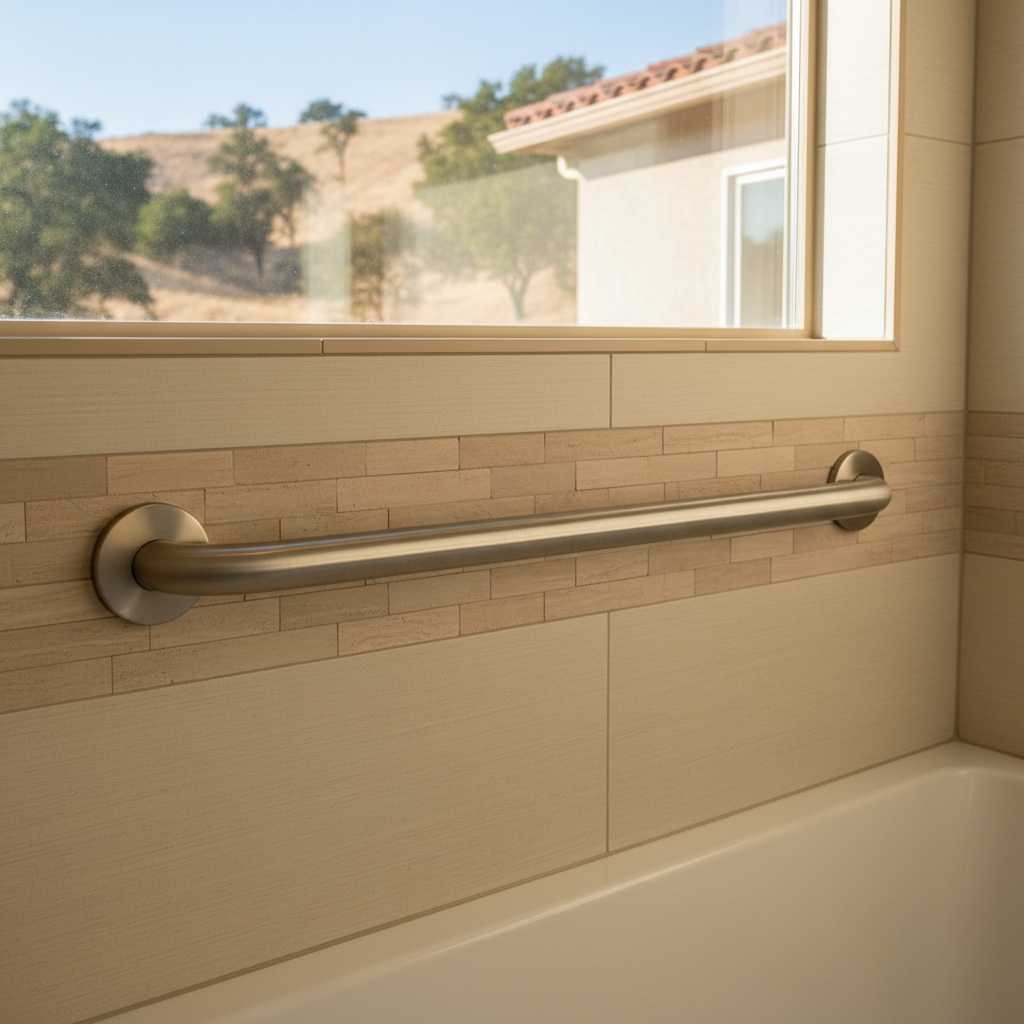
Grab Bars: This is probably the most common starting point. You can absolutely install grab bars yourself, but here's the catch: they MUST be anchored into wall studs or blocking. Don't just screw them into drywall. That's a recipe for disaster, plain and simple. Get a good stud finder, mark your spots, pre-drill, and use the right fasteners. Put them by the toilet and inside the shower/tub. They're a game-changer for stability.
Raised Toilet Seats: These just sit right on top of your existing toilet. Easy peasy. Some even come with handles, which is a nice touch. It's a quick, inexpensive way to reduce how far someone has to lower themselves.
Handheld Shower Heads: Swapping out your fixed shower head for a handheld model is usually a pretty straightforward plumbing job. You might need a wrench and some Teflon tape, but that's about it. This makes showering much easier for someone who needs to sit or has limited mobility.
Better Lighting: Good lighting prevents falls, period. You can replace dim bulbs with brighter LEDs, add motion-sensor nightlights, or even install a brighter vanity light. This is generally an easy DIY task, assuming you're comfortable with basic electrical work (always turn off the breaker first!).
Non-Slip Mats/Strips: Simple, but effective. Put non-slip mats inside the shower/tub and on the bathroom floor. You can also get adhesive non-slip strips for the tub. Just make sure you clean them regularly to prevent mildew buildup — nobody wants that!
When It's Time to Call a Pro (Seriously)
Now, there are some things you just shouldn't mess with unless you're a licensed contractor yourself. This is where safety, building codes, and structural integrity really come into play. Believe me, I've seen the aftermath of well-intentioned DIY gone wrong more times than I can count.
Widening Doorways: If you need true wheelchair access, your standard 24-28 inch bathroom door isn't going to cut it. You'll need at least 32 inches, preferably 36. This means demoing part of a wall, possibly relocating electrical or plumbing, and then reframing. That's a structural job, and it absolutely needs a permit and a pro.
Zero-Entry Showers (Roll-in Showers): This is a big one. Creating a shower with no curb requires modifying the subfloor to create the proper slope for drainage. You're talking about waterproofing, tile work, and ensuring everything meets code to prevent leaks and structural damage. This is NOT a DIY project. It's complex and requires specialized knowledge, no two ways about it.
Lowering Sinks/Counters: If someone needs to use a wheelchair, standard counter heights are just too high. Lowering a vanity often means custom cabinetry, relocating plumbing lines (drains and supply lines), and sometimes even electrical outlets. This is intricate work.
Toilet Relocation or Wall-Mounted Toilets: Moving a toilet involves altering the waste line, which is a significant plumbing job. Installing a wall-mounted toilet requires structural reinforcement within the wall. Both are definitely pro-level tasks.
Major Layout Changes: If you're completely reconfiguring the bathroom, moving walls, or changing the footprint, you're looking at permits, structural considerations, plumbing, and electrical. This is a full-scale remodel. For this kind of work, you want a contractor who understands accessible design principles, like us at Aim High Bathroom Solutions.
During the Project: What to Expect
Whether you're doing a small DIY or having pros like Aim High Bathroom Solutions handle a bigger job, communication is key. If you're hiring a contractor, make sure you've got a clear contract, a timeline, and a good understanding of what's included. Expect some dust and disruption – it's part of the process, unfortunately. For bigger jobs, especially here in Folsom where we sometimes deal with older homes that have unexpected quirks like original knob and tube wiring or cast iron pipes, there might be unforeseen issues. A good contractor will communicate these immediately and discuss solutions, which is what you want.
After the Work is Done
Once everything's installed, test it out. Walk through the space. If it's for someone else, have them try it. Are the grab bars at the right height? Is the shower easy to get into? Are the controls within reach? Sometimes small adjustments are needed. Make sure you understand any maintenance requirements for new fixtures or materials. For example, a new zero-entry shower might have specific cleaning instructions for the tile and grout to keep it looking good and performing well.
Building an accessible bathroom isn't just about meeting a checklist; it's about creating a functional, comfortable, and dignified space. Take your time, plan it out, and don't hesitate to call in the experts when the job calls for it. Your peace of mind, and the safety of those using the bathroom, are worth it.